A new weekly Gardening Garland Newsletter
Keep Growing with Gardening Garland
North Texas gardening gives us plenty to talk about: stubborn clay, summer heat, surprising cold snaps, and the pleasure of finding a plant that loves living here.
Our weekly newsletter will bring those conversations straight to your inbox. All subjects covered on the site will have a place in the newsletter, with topics rotating through the weeks—from seasonal garden care, soil and pH, watering, and plant selection to propagation, greenhouse growing, container gardens, and designing inviting outdoor spaces.
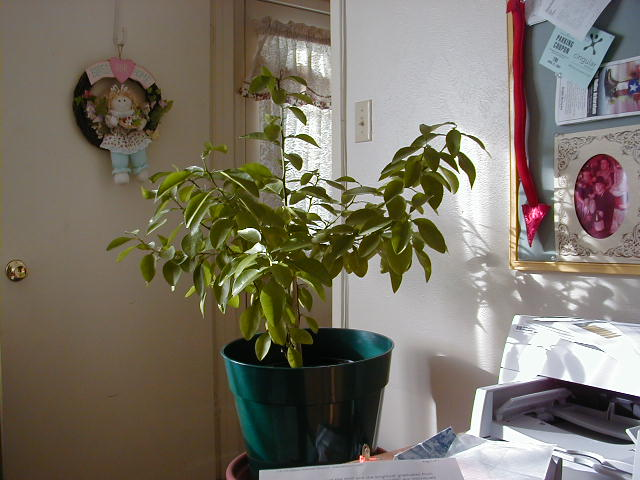
We’ll share practical projects, deeper explanations, reader questions, and inspiration from local gardens. Some weeks we’ll tackle a common problem; others we’ll explore an unusual plant or a technique worth trying.
You don’t need a big garden or years of experience to join us. A few pots, a backyard, or a greenhouse—and a little curiosity—are plenty.
Sign up below to receive the Gardening Garland weekly newsletter.
Have a question or a garden photo to share? Visit our forum or Post Your Pictures page and join the conversation. Your experience could help another gardener—or inspire a future newsletter.
Grow something. Learn something. Share something. Join us at GardeningGarland.com.
Fill out the form just a first name and an e-mail will get you the news letter. But if you feel the need to say something well that could go under messages.
| LOCAL ROOTS · SHARED KNOW-HOWGardening GarlandThe Weekly Garden Note |
| WEEK OF [OCTOBER 17 2026 / ISSUE [001] |
 |
| GROW HERE. LEARN TOGETHER.A good week starts in the garden.Welcome, neighbor. Here is your weekly mix of useful jobs, fresh ideas, and lessons from gardens like yours. Start small, follow your curiosity, and leave a little room to experiment.THIS WEEK · Practical tasks / Greenhouse know-how / Soil & design / Vegetables / Local connections |
| 01 / YOUR WEEK IN THE GARDENA little each day. A healthier garden.Use this as a flexible checklist—not a watering schedule. Check your soil and the local forecast before acting.MONWalk the garden. Note wilting, damage, and what is blooming.TUECheck moisture in beds and pots. Water only where needed.WEDInspect leaf undersides and tender new growth for pests.THUClear greenhouse walkways and check vents and equipment.FRIRemove weeds before they seed; refresh plant labels.SATChoose one project: a new planting, tidy pot, or small repair.SUNPhotograph progress and make next week’s short list.Before each issue: update tasks for the season and add a verified weather note. |
02 / UNDER GLASSStart with the plants—not the greenhouse kit.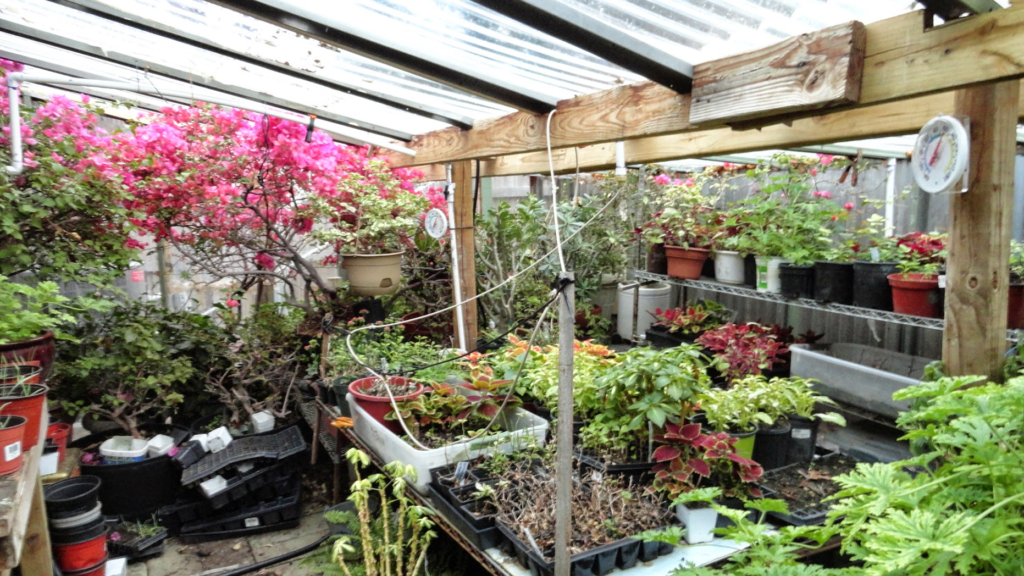 A propagation house and a winter shelter solve different problems. Before you buy equipment or rearrange benches, decide what your greenhouse must do first.Try this: Write down one main purpose and two supporting uses. Then check whether your ventilation, workspace, and plant spacing support them.Dig deeper: Keep a temperature log at plant height. Compare different bench locations before assuming the whole house behaves the same way.Read the full story → |
03 / SOIL SMARTSClay soil: work with it, not against it.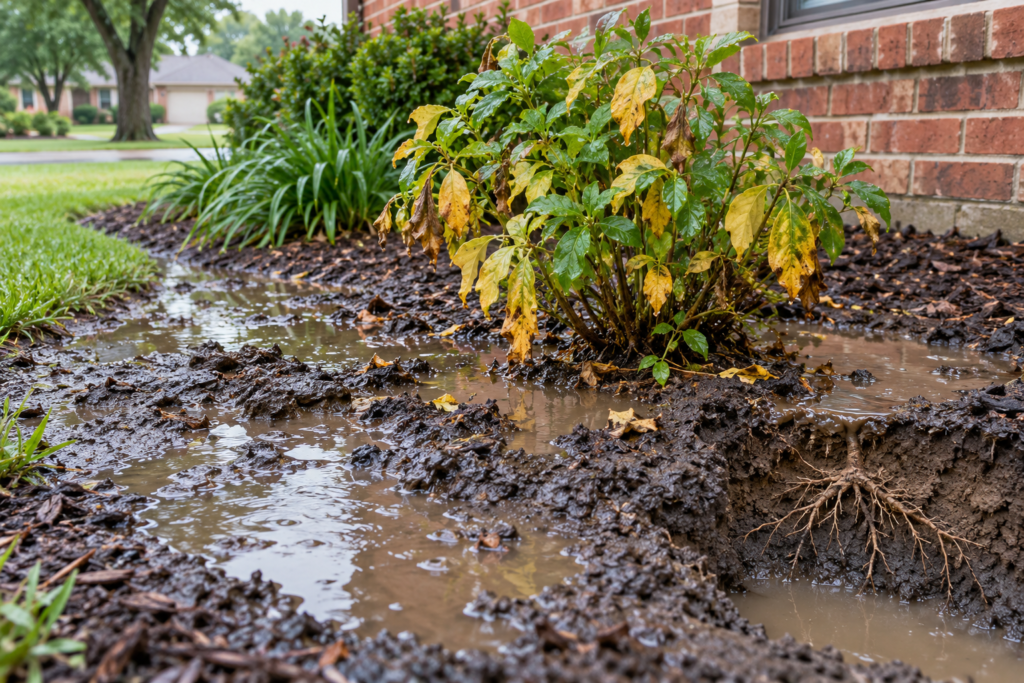 Wet clay smears and compacts easily. Before digging, test a handful. If it is sticky and smears rather than crumbles, give it more time. Improving a whole bed is a better starting point than filling one planting hole with potting mix.Read the full story → |
04 / RIGHT PLANT, RIGHT PLACEMake a garden corner feel intentional.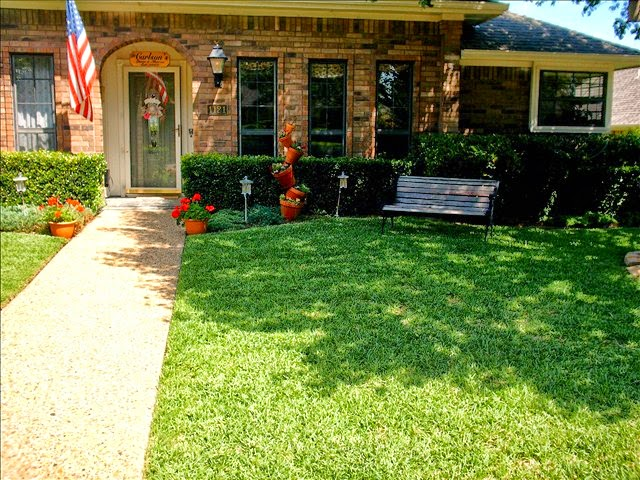 Begin with sunlight, drainage, and access to water. Then use containers, stones, and plants with similar needs to create a small garden scene that looks good and is easier to care for.Read the full story → |
05 / SEASONAL KNOW-HOWGive trees and shrubs a good beginning.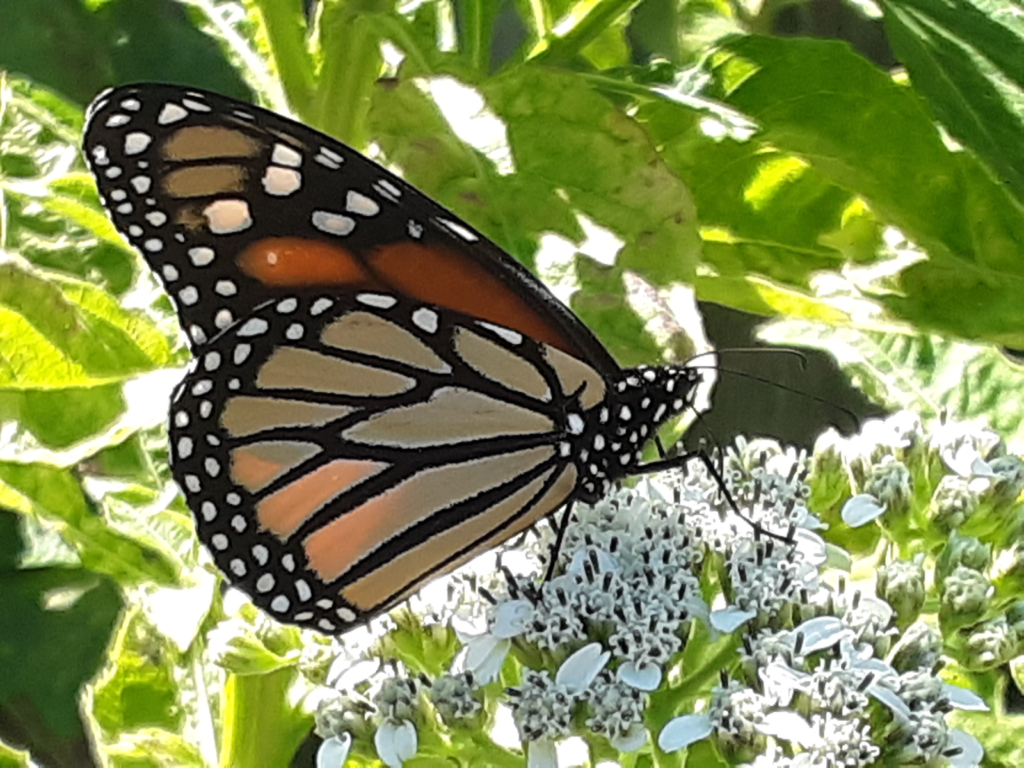 Planting season matters—but so does planting depth. Your root flare should remain visible, and a wide planting hole gives roots room to explore the surrounding soil. Match the timing to the plant’s hardiness.Read the full story → |
06 / THE KITCHEN GARDENGrow a salad bowl, one small sowing at a time. You do not need a large vegetable plot to start. A small container of leaf lettuce can make an approachable cool-season project. Choose a container with drainage, use potting mix, and follow the seed packet for sowing depth and spacing.New gardener: Label the variety and sowing date. Check the surface regularly while seeds germinate.Been at it awhile? Compare two varieties in the same conditions and record emergence, flavor, and harvest dates. Use those notes to plan your next planting.Match sowing dates to a current North Texas planting guide and the week’s temperatures. Salad photo is illustrative.Texas A&M’s container vegetable guide → |
07 / OUT & ABOUTLearn something. Meet another gardener.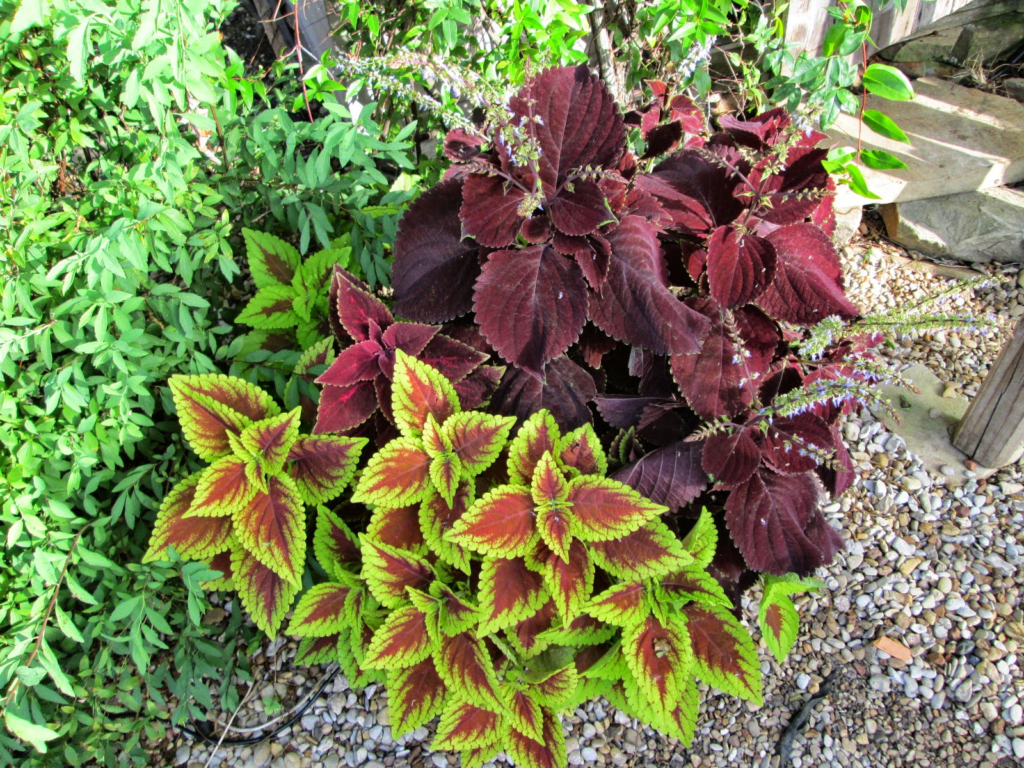 Make room for a plant sale, garden tour, workshop, or local club meeting.[Verified event name] [Day, date & time] · [Location][Cost / registration deadline][One sentence on who will enjoy it.][Replace with official event or registration link →]Reusable event slot. No event is announced here until its details and link have been checked. |
08 / PLANT OF THE WEEKVariegated tapioca: foliage with personality.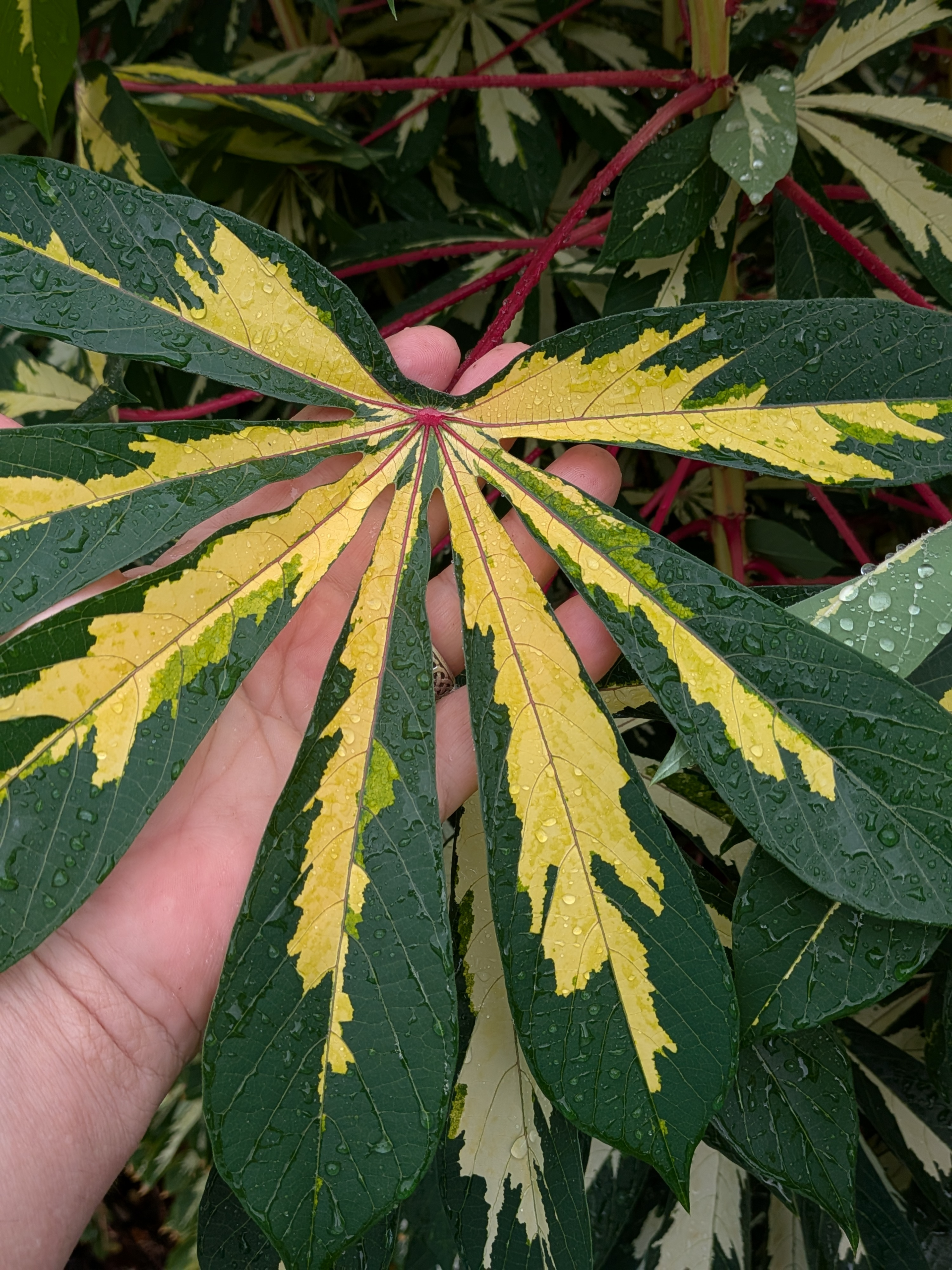 Bob Murphy’s variegated tapioca brings a bold splash of foliage to the community gallery. Sometimes an interesting leaf is all it takes to make a garden corner worth a second look.Your turn: What plant earns its space in your garden even when it is not flowering?See the reader’s plant → |
09 / ASK A GARLAND GARDENER“My plant is struggling. Where do I start?”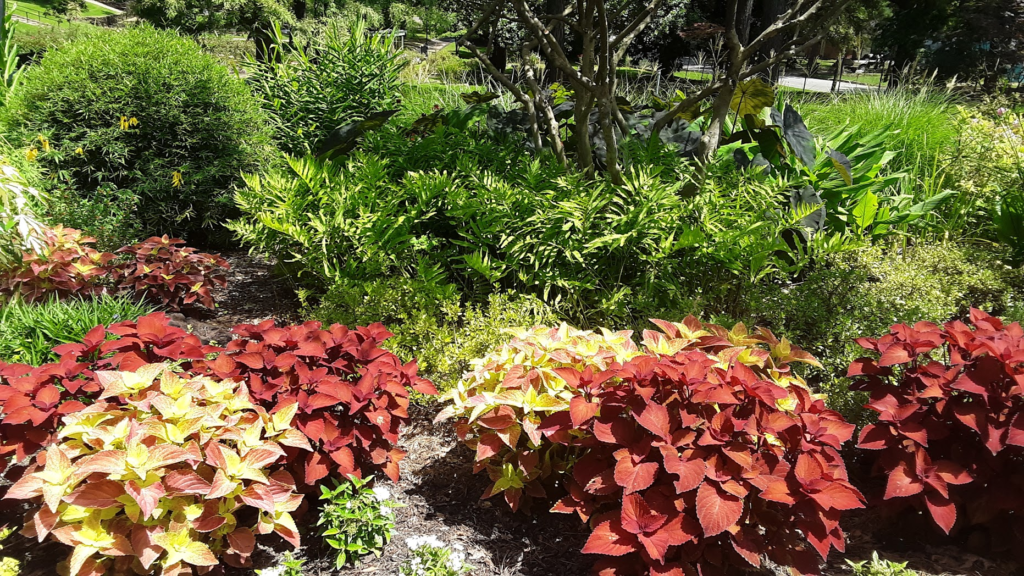 Start with clues rather than a product. What changed? Check moisture, drainage, light, recent weather, and the roots if practical. A yellow leaf alone does not tell you which treatment is needed.Send a useful question: Include the plant name if known, a close-up, a whole-plant photo, and details about sun and watering.Explore 40 local gardening questions → |
| What’s growing in your corner of Garland?Share a success, ask a question, or show us the plant that surprised you.Share your garden →Know someone who would enjoy this? Forward this note and invite them to visit GardeningGarland.com. |
| GARDENING GARLAND Practical gardening. North Texas roots. GardeningGarland.com[Sender postal address][Insert MailPoet manage-preferences and unsubscribe links] |