Put Every Plant Where It Can Be Its Best
A beautiful garden is not created simply by buying attractive plants and finding empty places for them. It is created by understanding what each plant wants, then giving it a location where those needs become part of the garden’s design. Sun-loving plants should feel the heat. Shade plants should rest beneath trees or along protected walls. Plants that demand excellent drainage should rise above wet clay, while thirsty plants should be grouped where watering is convenient.
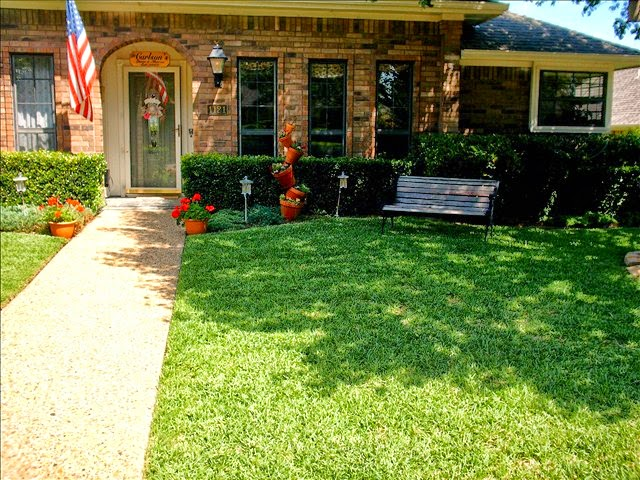
When plants are placed according to their natural needs, they grow better, require less correction and make the garden appear intentional. Containers, stones, pathways and small planted scenes—or vignettes—can then transform practical planting decisions into something memorable.
Begin With the Conditions, Not the Plant
Before planting anything, study the location. Watch where sunlight falls in the morning, at midday and during the late afternoon. In North Texas, six hours of gentle morning sun is very different from six hours of reflected western sun against a brick wall.
Also observe drainage. Does water disappear shortly after rain, or remain for several hours? Is the location exposed to drying wind? Is it near a faucet or irrigation line? Does a wall provide winter protection, or does the area collect cold air?
Once you understand the location, choose plants suited to it. This reverses the common practice of buying a beautiful plant and then struggling to find somewhere it might survive.
Give Sun-Loving Plants a Stage
Heat-loving plants such as lantana, salvia, bougainvillea, purple coneflower, sedum and ornamental grasses belong in the brightest parts of the garden. Place them where their flowers and foliage will be illuminated and where good air circulation reduces disease.
Stones are particularly effective around these plants. A few large weathered rocks can suggest a dry Texas hillside while visually supporting plants that prefer lean, well-drained conditions. Do not cover the entire bed with stone unless the plants can tolerate the added reflected heat. Instead, use selected stones as accents, leaving room for organic mulch and healthy root growth.
A large stone placed slightly off-center can become the anchor. Arrange three to five plants around it in an uneven grouping rather than lining them up. Add a lower plant that softens the stone’s edge and one upright plant that provides height. The result feels discovered rather than constructed.
Create Shelter for Shade Plants
Shade should not be treated as a gardening problem. It can become one of the most peaceful areas of the landscape. Plants such as holly fern, Turk’s cap and other shade-tolerant foliage plants create a cooler atmosphere beneath trees or along the north and east sides of buildings.
In a shady vignette, foliage becomes more important than flowers. Combine broad leaves, fine leaves, dark green foliage and touches of variegation. A weathered pot, a simple bench or a shallow birdbath can provide the focal point.
Use pale stones or gravel sparingly to brighten a dark corner. A curving path leading into the shade creates mystery, particularly when all of the garden cannot be seen at once. Allow one plant to partly conceal the destination.
Use Containers to Solve Problems
Potted plants allow gardeners to place color and texture where in-ground conditions are unsuitable. Bougainvillea, croton, copper plant, ixora, desert rose and tropical hibiscus can enjoy summer outdoors and then be moved into protection before winter.
Containers also add height. A garden made entirely from plants at ground level may appear flat. Raise one container on a strong stone, low pedestal or wide overturned pot. Place a second container slightly lower and a third at ground level. Groups of three usually look more natural than pairs.
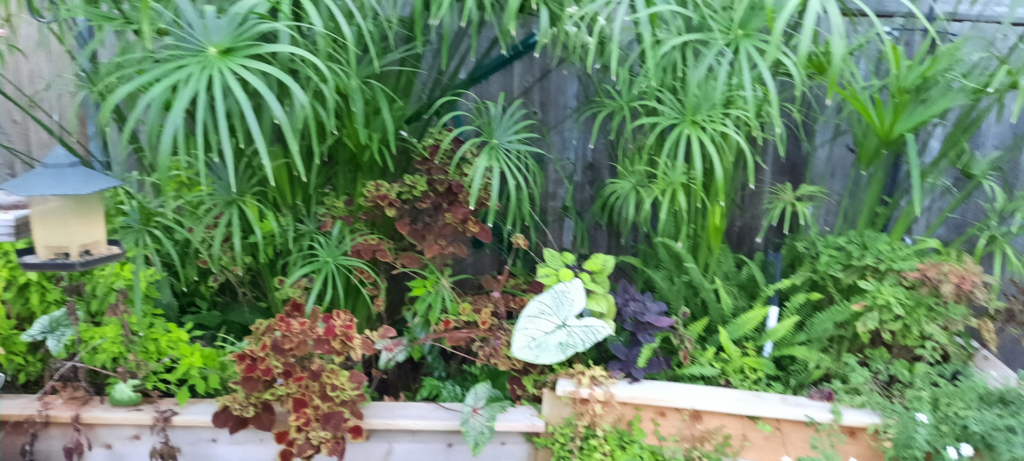
The containers do not have to match exactly, but they should share something—color, material, shape or age. Three different terracotta pots look related. One blue glazed pot can become a focal point among several neutral containers.
Avoid scattering individual pots everywhere. Several isolated containers can create visual clutter and make watering difficult. Group them into small scenes near doors, seating areas, path intersections or garden structures.
Combine Potted and In-Ground Plants
Some of the richest garden scenes combine permanent in-ground plants with changing container displays. A sturdy shrub or ornamental grass can provide the background. Flowering perennials can form the middle layer. Pots can then supply seasonal color in the foreground.
For example, an established abelia might form the backdrop for a large glazed pot containing tropical hibiscus. Smaller containers of sedum or trailing plants can soften the base. A flat stone placed nearby gives the arrangement visual weight and creates somewhere to set a watering can or small decorative object.
Containers can also fill temporary openings while young shrubs grow. As the permanent plants mature, the pots can be moved elsewhere instead of allowing the bed to become overcrowded.
Design Small Garden Vignettes
A vignette is a small composition that feels complete when viewed from a particular location. It may occupy only a few feet beside a path, outside a window or near a garden chair.
Every vignette needs a focal point. This might be a striking plant, sculptural stone, colorful pot, birdbath, small tree or piece of garden art. Supporting elements should direct attention toward it rather than compete with it.
Think in layers:
- A tall element establishes the background.
- Medium plants provide fullness.
- Low plants soften the foreground.
- Stone, mulch or gravel visually connects the composition.
- An open area gives the eye somewhere to rest.
Repetition is equally important. Repeat a flower color, leaf shape, stone type or container material elsewhere in the garden. Repetition makes separate areas feel like parts of one landscape.
Let Stones Look as Though They Belong
Stones should appear settled into the garden rather than dropped on top of it. Bury roughly one-quarter to one-third of a large stone, placing its widest or most stable face downward. Turn similar stones in generally the same direction, as natural rock formations often follow underlying geological patterns.
Avoid using one small stone beside every plant. That produces dots rather than structure. Use one substantial stone or a group of three, with smaller pieces helping the formation disappear into the soil.
Stones can retain heat, alter drainage and make maintenance difficult, so use them purposefully. Keep them away from trunks and delicate crowns, and leave access for pruning, watering and weeding.
Design for Maintenance as Well as Beauty
A garden must remain workable. Leave stepping areas so you can reach plants without compacting the soil. Group plants with similar watering requirements. Keep aggressive spreaders away from delicate plants, and allow enough space for mature growth.
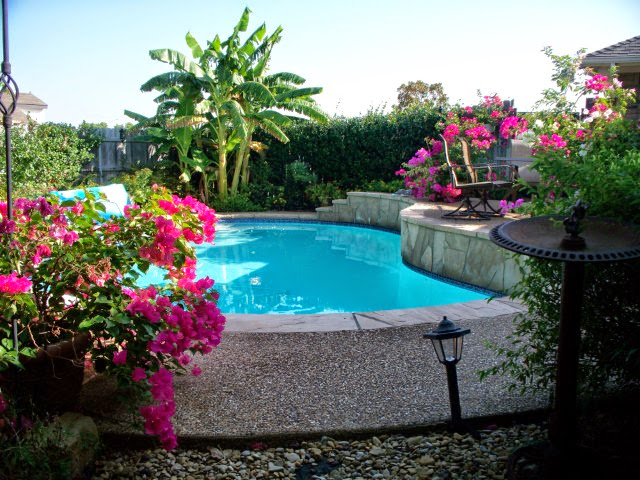
Remember that North Texas plants may grow rapidly during spring and autumn, then struggle during midsummer. Give them room, mulch their roots and make irrigation practical. A lovely vignette that cannot be watered or pruned will eventually become a burden.
The best garden design does not force plants into a picture. It allows the picture to develop from the plants’ real needs. When every plant receives suitable light, moisture, drainage and protection, containers and stones become more than decorations. They become tools for creating distinct places: a sunny Texas corner, a shaded retreat, a tropical summer display or a quiet path through flowers.
That is when a garden begins to feel like more than a collection of plants. It becomes a series of living rooms outdoors, each with its own character and each giving its plants the opportunity to be all they can be.
Leave a Reply