40 Frequently Asked Dallas-Area Gardening Questions—Answered
Dallas-area gardens must handle heavy clay, alkaline soil, long periods above 95°F, drought, sudden downpours and occasional hard freezes. Dallas is generally in USDA Zone 8b, meaning the average annual extreme minimum temperature is about 15–20°F—but individual winters can still damage plants rated only marginally hardy. USDA Plant Hardiness Zone Map
Climate and plant selection
1. What plants grow best in the Dallas–Fort Worth climate?
The most dependable choices tolerate heat, alkaline soil and occasional drought. Good examples include autumn sage, Texas sage, Turk’s cap, lantana, salvia, abelia, crape myrtle, vitex, yaupon holly, red yucca, esperanza, black-eyed Susan, purple coneflower and ornamental grasses.
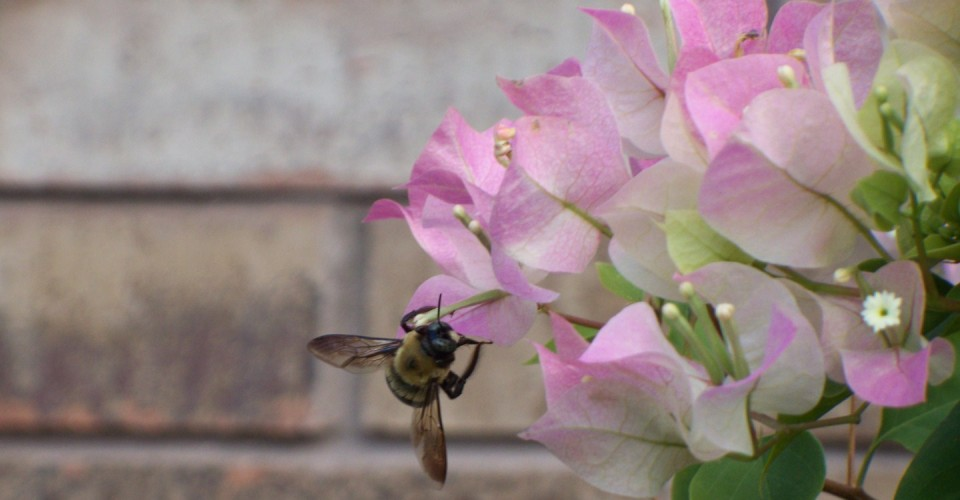
“Texas native” does not automatically mean suitable for every Dallas yard. Match each plant to your sunlight, drainage, mature size and available irrigation. A native that needs rocky, fast-draining soil may still struggle in soggy Dallas clay.
2. What USDA hardiness zone is Dallas in?
Most of Dallas and Dallas County is currently classified as Zone 8b, representing an average annual extreme minimum temperature of 15–20°F. The USDA zone measures winter cold tolerance—not summer heat, soil quality or water requirements. USDA Plant Hardiness Zone Map
Because temperatures vary across the Metroplex, confirm the zone for your ZIP code. Urban neighborhoods, exposed rural properties, low spots and protected courtyards can experience noticeably different temperatures.
3. How does Dallas’s summer heat affect plant selection?
Choose plants that tolerate intense sun, hot nights and extended periods above 95°F. A label reading “full sun” does not guarantee that a plant appreciates a west-facing wall in August; some plants sold as full-sun varieties perform better here with morning sun and afternoon shade.
Plants adapted to cooler climates may survive winter but steadily decline during summer. Heat tolerance, reflected heat, drainage and water availability are often more important in Dallas than the USDA cold-hardiness zone.
4. Which plants can survive both extreme heat and occasional hard freezes?
Reliable candidates include autumn sage, Turk’s cap, yaupon holly, abelia, crape myrtle, vitex, purple coneflower, rosemary in well-drained protected locations, many ornamental grasses and selected Earth-Kind roses.
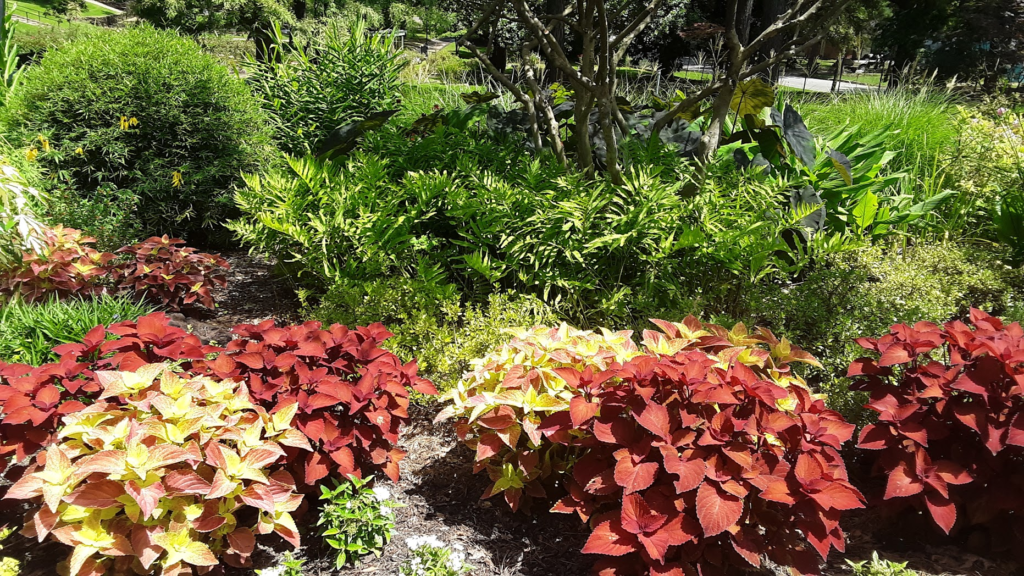
Even hardy plants can be damaged when a freeze arrives after warm weather. Mulch the root area and protect young plants during their first winters. Tender tops may die while established roots survive and resprout in spring.
5. When is the best time to plant flowers in North Texas?
Plant cool-season annuals—such as pansies, violas, snapdragons and ornamental kale—in autumn. Install warm-season annuals after serious freeze danger has passed in spring; examples include vinca, pentas, angelonia, zinnia, gomphrena and coleus.
Fall is usually the best time to plant hardy perennials because the soil remains warm while the air cools. Their roots can establish before summer heat arrives. Tender tropical plants should normally wait until spring.
6. When should I plant trees and shrubs in Dallas?
Plant most hardy trees and shrubs from October through early March, avoiding frozen or saturated soil. Fall planting gives roots several months to grow before the first severe summer.
Spring planting is possible, but the plants will require closer watering supervision. Summer planting is the most difficult: transplant stress, hot root balls and inconsistent watering can quickly cause failure.
Vegetable gardening
7. What vegetables grow best in spring and fall?
Spring crops include tomatoes, peppers, beans, squash, cucumbers, corn, okra and eggplant. Cool-season crops—including lettuce, spinach, kale, broccoli, cabbage, carrots, radishes and peas—perform best in late winter, early spring or fall.
Dallas effectively has two major vegetable seasons. The Texas A&M planting guides organize vegetables relative to frost and freeze dates because correct timing is frequently more important than variety selection. Texas A&M AgriLife Extension Service
8. Is it too hot to grow vegetables during midsummer?
Not entirely, but many familiar vegetables struggle. Tomatoes may survive yet stop setting fruit; lettuce bolts; beans may flower poorly. Okra, southern peas, sweet potatoes, Malabar spinach, eggplant and heat-tolerant peppers are better midsummer choices.
Provide mulch, steady irrigation and afternoon shade where appropriate. Midsummer is also when you begin planning or starting transplants for the fall garden.
9. When should I start tomato and pepper seeds?
For spring planting, start seeds indoors approximately six to eight weeks before the intended outdoor transplant date. Peppers can be slower and may benefit from eight to ten weeks. Provide strong light and warmth so the seedlings remain stocky.
For a fall tomato crop, start seeds or obtain transplants early enough to establish plants before the worst heat ends. Select short-maturity varieties because fruit must ripen before autumn cold.
10. When should tomatoes be transplanted outdoors?
Plant when the danger of a damaging freeze is low and the soil has warmed, commonly from mid-March into early April in much of the Dallas area. Keep frost cloth ready because late cold fronts remain possible.
Do not wait too long: tomatoes need time to flower and set fruit before extreme heat interferes. Harden transplants gradually for about a week before putting them into full outdoor conditions.
11. Why do my tomatoes stop producing fruit during summer?
Tomato pollen becomes less effective during very hot days and warm nights. Plants may flower normally but drop blossoms without producing fruit. Water stress and excessive nitrogen make the problem worse.
Keep plants mulched and evenly watered, but recognize that irrigation cannot fully overcome temperature. Healthy plants may begin setting fruit again when late-summer or autumn temperatures moderate.
12. Which vegetables tolerate North Texas heat?
Okra, southern peas, sweet potatoes, eggplant, hot peppers, Armenian cucumbers and Malabar spinach are among the stronger performers. Basil and some heat-tolerant herbs also do well with adequate water.
“Heat tolerant” does not mean drought-proof. Maintain a consistent root-zone moisture level and use two to three inches of mulch without piling it against plant stems.
13. What can I plant for a fall vegetable garden?
Good fall crops include broccoli, cabbage, cauliflower, kale, collards, carrots, beets, radishes, turnips, lettuce, spinach and Swiss chard. Tomatoes, beans, squash and cucumbers can also produce fall crops if planted early enough.
Fall vegetables must often be started while the weather is still very hot. Protect young seedlings from afternoon sun and keep the seedbed consistently moist. Texas A&M notes that spring and fall gardens require different management and recommends well-drained sites receiving approximately eight hours of direct sunlight. Texas A&M AgriLife Extension Service
14. How can I extend the growing season with a greenhouse?
Use a greenhouse to start spring transplants early, root cuttings, protect tender stock and continue cool-season crops. Ventilation and shade are crucial: an unventilated Dallas greenhouse can become dangerously hot even during mild weather.
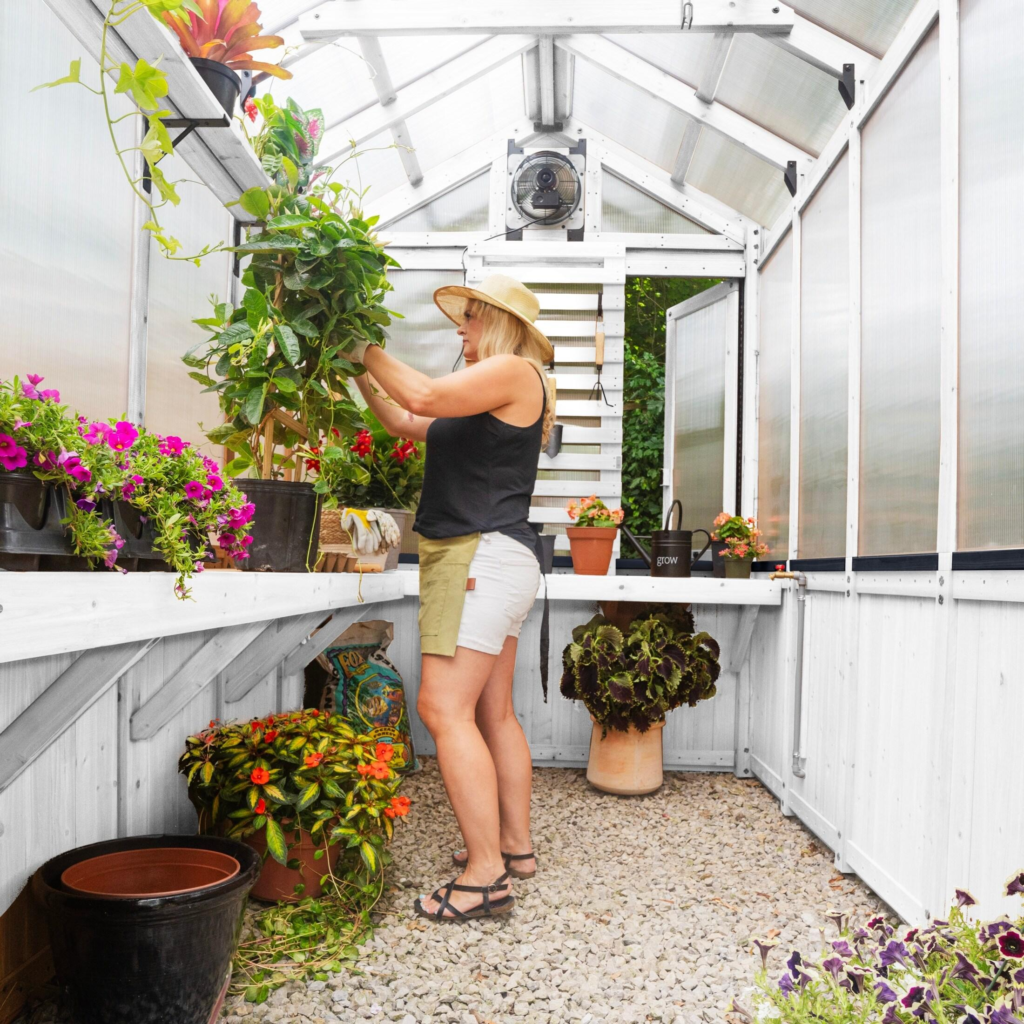
During winter, determine whether you want merely freeze protection or active warm-season growth. Holding tender plants above freezing requires much less heat than maintaining temperatures suitable for tropical growth.
Cold and winter protection
15. How do I protect plants from a sudden North Texas freeze?
Water dry soil before the freeze, add mulch over the root zone and cover vulnerable plants with frost cloth or lightweight fabric extending to the ground. The cover works by trapping heat released from the soil, so covering only the foliage is less effective.
Do not place plastic directly against leaves. Containers are especially vulnerable because their roots are surrounded by cold air; move them into a garage, greenhouse or protected grouping when possible.
16. Which tropical plants must be brought indoors for winter?
Croton, ixora, copper plant, bougainvillea, desert rose, tropical hibiscus and many tender succulents need protection before freezing temperatures. Some begin suffering well above 32°F, particularly when cold combines with wet soil.
Inspect plants for whiteflies, scale, spider mites and mealybugs before moving them indoors. Reduce watering and feeding as growth slows, but do not let roots become completely desiccated.
Dallas soil
17. How can I improve Dallas’s heavy clay soil?
Add plant-based compost over a broad bed rather than replacing the soil in one isolated planting hole. Compost improves structure, pore space and root movement. Raised beds are extremely useful where drainage is persistently poor.
Avoid working clay when it is saturated because that destroys its structure and produces hard clods. Texas A&M notes that clay holds excessive water and admits too little air; compost helps improve porosity and drainage. Texas A&M AgriLife Extension Service
18. Is North Texas soil too alkaline for certain plants?
Many Dallas-area soils are alkaline and may make iron, manganese and other nutrients less available. Azaleas, blueberries and other strongly acid-loving plants are therefore difficult to grow directly in native soil.
Do not add sulfur or acidifiers blindly. Obtain a soil test first, then choose tolerant plants or use a specially prepared raised bed or container for acid-loving plants.
19. Should I add compost, expanded shale or both to clay soil?
Compost should usually be the first amendment because it improves soil structure and biological activity. Expanded shale is a long-lasting porous material that can increase air space and drainage in stubborn clay.
For a new bed with extremely dense clay, both may be helpful. Earth-Kind guidance describes incorporating approximately three inches of expanded shale followed by three inches of plant-based compost and forming a raised bed above the surrounding grade. That is a major bed-preparation method, not a requirement every year. txmg.org
20. Is it safe to use native soil in containers?
Native Dallas clay is a poor container medium. It compacts, drains slowly, contains little air when wet and may shrink into a hard mass when dry.
Use a purpose-made potting medium containing materials such as peat or coir, aged bark and perlite. Your field soil may be productive in the ground while still being unsuitable inside a pot.
21. What potting mix works best for outdoor containers?
A reliable mix must retain moisture while draining freely and maintaining air around the roots. For many one-gallon greenhouse plants, your working mix of two parts quality potting mix, one part fine pine bark and one part perlite is a reasonable starting formula.
Adjust by crop. Bougainvillea and many succulents need faster drainage, whereas hibiscus, pentas and chrysanthemums appreciate steadier moisture. Never assume one mixture is ideal for every plant.
Watering and containers
22. How often should I water during a Dallas summer?
Water according to the soil and plant—not an automatic daily timetable. Established landscapes generally benefit from deep, relatively infrequent irrigation, while small containers may require daily checks and occasionally more than one check on extreme days.
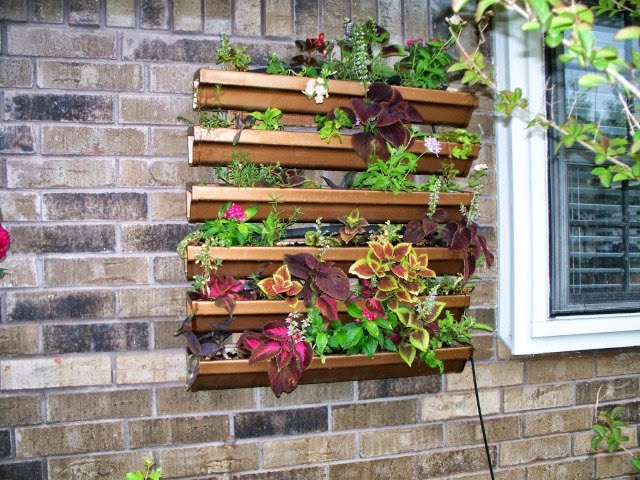
A thorough application is generally better than repeated shallow sprinkling. Texas A&M recommends measuring irrigation and notes that a deeply watered lawn may often go approximately five to eight days between applications, depending on weather and soil. Texas A&M Stories
23. Is drip irrigation better than overhead watering?
Drip irrigation usually delivers water more efficiently to beds and containers, reduces evaporation and keeps foliage dry. It is particularly useful for vegetables, shrubs and greenhouse production.
It still requires inspection. Emitters clog, lines move and different pots dry at different rates. Overhead watering can be useful for lawns and certain seedbeds, but it should be timed so foliage does not remain wet overnight.
24. What is the best time of day to water?
Early morning is generally best. Temperatures and wind are lower, less water evaporates and foliage has time to dry.
Evening irrigation is acceptable when water is applied directly to the soil, but repeatedly wetting leaves overnight can encourage disease. During a genuine heat emergency, water a severely wilted plant immediately rather than waiting until morning.
25. How can I tell whether I am overwatering or underwatering?
Both can cause wilting. Underwatered plants normally have dry, light-colored media and lightweight pots; overwatered plants remain wet, may smell sour and can develop yellow leaves or dark, soft roots.
Check below the surface before watering. Lift containers to learn their wet and dry weights, and use a finger, wooden skewer or moisture probe as a secondary check.
26. How do I stop containers from drying out so quickly?
Use appropriately sized pots, a moisture-retentive but well-aerated mix, light-colored containers and a thin surface mulch. Grouping pots reduces wind exposure, and afternoon shade can substantially reduce water loss.
Do not solve every drying problem by adding more peat or compost. If the mix stays wet overnight or collapses around the roots, drainage and root health can deteriorate.
27. Should container plants receive afternoon shade?
Many should, especially newly rooted plants, recent transplants, geraniums, young hibiscus and crops held in black nursery pots. Morning sun with protection after roughly 2:00 or 3:00 p.m. is often an effective Dallas arrangement.
Sun-loving lantana and bougainvillea can take stronger exposure once acclimated. Harden plants gradually; moving a shade-grown plant directly into August sun can scorch it within hours.
28. What mulch works best in North Texas?
Shredded hardwood, arborist wood chips, pine bark and composted leaves are useful around trees, shrubs and perennial beds. Apply approximately two to four inches while leaving space around trunks and crowns.
Mulch moderates soil temperature, slows evaporation and suppresses weeds. Avoid “mulch volcanoes” around trees because constant moisture against bark promotes decay and other problems.
Wildlife-friendly and low-water landscapes
29. Which plants attract butterflies, bees and hummingbirds?
Good Dallas-area choices include Turk’s cap, autumn sage, flame acanthus, lantana, pentas, Gregg’s mistflower, purple coneflower, black-eyed Susan, milkweed, zinnia and native salvias.
Use several species with overlapping bloom periods and avoid broad insecticide treatments during flowering. A shallow water source and some shelter make the garden more useful to wildlife.
30. Which native Texas plants require the least water?
Once established, autumn sage, Texas sage, red yucca, yucca, flame acanthus, agarita and several native ornamental grasses tolerate relatively dry conditions. Their success still depends on proper drainage and siting.
Newly planted natives need regular watering during establishment. “Low water” describes an established plant, not one whose root system is still confined to its nursery root ball.
31. What flowering plants bloom through the summer heat?
Lantana, pentas, angelonia, vinca, gomphrena, zinnia, purslane, moss rose, esperanza and some salvias are reliable heat-season performers.
Avoid overfeeding, which can produce excessive foliage at the expense of flowers. Regular deadheading helps some varieties, although sterile lantanas and newer self-cleaning annuals may need little grooming.
Lawns, weeds and plant health
32. What grass grows best in Dallas lawns?
Bermudagrass is excellent for sunny, heavily used areas and tolerates heat well. St. Augustine provides a broader blade and accepts some shade but needs more water and is vulnerable to winter damage and disease. Zoysia offers a dense lawn but establishes slowly and usually costs more.
No common turfgrass thrives in deep shade. Where light is insufficient, replace struggling grass with mulch, shade-tolerant groundcovers or a landscaped bed.
33. How do I control weeds without damaging desirable plants?
Identify the weed first, then determine whether it is an annual, perennial, grass, sedge or broadleaf plant. Hand removal, mulch and maintaining dense desirable plant growth are the safest first steps.
If using herbicide, read the entire label and make sure it is approved for the location and surrounding plants. Avoid spraying volatile or nonselective products during hot, windy weather.
34. Why are my plant leaves turning yellow or developing brown edges?
Possible causes include excessive or insufficient water, root damage, high fertilizer salts, alkaline-soil nutrient problems, heat scorch, herbicide injury and pests. The pattern matters: yellow older leaves suggest something different from distorted new growth or crisp outer margins.
Check root-zone moisture and drainage before adding fertilizer. A soil test and close examination of leaf undersides are more useful than treating every yellow leaf as a nutrient deficiency.
35. How do I control spider mites, whiteflies, aphids and scale?
Inspect plants regularly, particularly the undersides of leaves. Isolate badly infested container plants, remove heavily damaged material and use a firm water spray where appropriate. Insecticidal soap or horticultural oil can help when it thoroughly contacts the pest.
Test sprays on a small section first and avoid treating heat-stressed plants during the hottest part of the day. Repeated applications may be necessary because many products do not kill every life stage.
36. Which plant diseases are common in Dallas’s heat and humidity?
Black spot and other leaf spots, powdery mildew, root and crown rots, bacterial diseases and turf fungal problems are common. Warm, humid nights, crowded foliage and prolonged leaf wetness encourage many infections.
Improve spacing and airflow, water the soil instead of the leaves and avoid leaving foliage wet overnight. Remove diseased debris and do not automatically compost heavily infected material.
Animals, pruning and reliable information
37. Why are squirrels, rabbits or armadillos digging in my garden?
Squirrels bury or recover food, rabbits investigate tender growth and armadillos dig for insects and grubs. Moist, freshly cultivated beds are particularly attractive because they are easy to excavate.
Use physical barriers first: wire cages, buried fencing, secured netting or hardware cloth over vulnerable areas. Repellents are usually temporary and must be reapplied after rain.
38. Which plants are resistant to deer and rabbits?
No plant is completely animal-proof. Aromatic, thorny, fuzzy or tough-leaved plants—such as rosemary, many salvias, lantana, ornamental grasses, yucca and some abelias—are eaten less often.
Young growth may still be sampled, and hungry animals ignore normal preference lists. Protect new plants with fencing or cages until established.
39. When and how should I prune roses, shrubs and perennials?
Prune most repeat-blooming roses in late winter, commonly around mid-February in Dallas, removing dead, diseased and crossing growth. Prune spring-flowering shrubs after they finish blooming so you do not remove their flower buds.
Cut many dormant perennials back in late winter before new growth begins. Crape myrtles need selective removal of dead, rubbing or badly placed branches—not severe topping.
40. Where can I find reliable North Texas planting calendars and local gardening advice?
Start with Texas A&M AgriLife Extension, Dallas County Master Gardeners, nearby county Master Gardener programs, the USDA hardiness-zone map and WaterMyYard. The Dallas County Master Gardener resource collection links to Texas A&M vegetable and pollinator guidance, while WaterMyYard provides weather-based irrigation recommendations. watermyyard.tamu.edu
Local independent nurseries can also be valuable, particularly when their advice reflects Dallas soil and weather rather than generic national labeling. For persistent problems, submit a soil test or take clear photographs and a plant sample to your county Extension service.