LOCAL ROOTS · SHARED KNOW-HOWGardening GarlandThe Weekly Garden Note
| LOCAL ROOTS · SHARED KNOW-HOWGardening GarlandThe Weekly Garden Note |
| OCTOBER 30–NOVEMBER 5, 2026 · THE NOVEMBER TRANSITION |
| GROW HERE. LEARN TOGETHER.A little preparation now. A better garden next spring.Welcome, neighbor. This is the week to enjoy the last of October’s color while making room for November. Check drainage, give tender plants a winter plan, and choose one small project you can finish. A greenhouse inspection, a labeled tray of cuttings, or a pot of greens is a good place to start.THIS WEEK · Rain-ready tasks / Greenhouse airflow / Three garden stories / Fall greens / Copper plant / Local outing |
| 01 / YOUR WEEK IN THE GARDENSeven small jobs for the season ahead.Use this as a flexible checklist. Rain and soil moisture take priority over the calendar.FRI · OCT 30Inventory tender plants. Reserve protected space for copper plants, crotons, tropical hibiscus, bougainvillea, and desert roses; inspect for pests before bringing them inside.SAT · OCT 31Check pots after showers. Empty standing water and clear drainage holes. Postpone digging if clay is sticky.SUN · NOV 1Test greenhouse heaters, thermostats, vents, and temperature alarms. Put a minimum–maximum thermometer at plant height.MON · NOV 2With thunderstorms possible, secure light pots and greenhouse doors. Check drainage; skip irrigation wherever the root zone is already moist.TUE · NOV 3Walk the garden after rain when conditions are safe. Note puddles, runoff paths, and saturated beds before choosing new planting spots.WED · NOV 4Take a small, labeled batch of copper plant tip cuttings from healthy stock. Record the date and starting count; keep separate from older batches.THU · NOV 5When soil is workable, plant hardy shrubs or winter color. Water new root balls as needed, photograph progress, and set next week’s priorities.Weather checked October 30 for Garland, Dallas County: showers are possible this weekend, with thunderstorms early next week and cooler nights afterward. Recheck before outdoor work. This is a forecast, not a frost guarantee.Check the latest local forecast → |
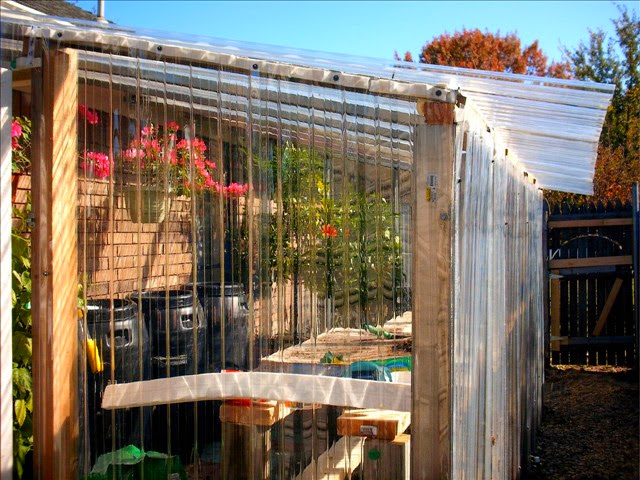
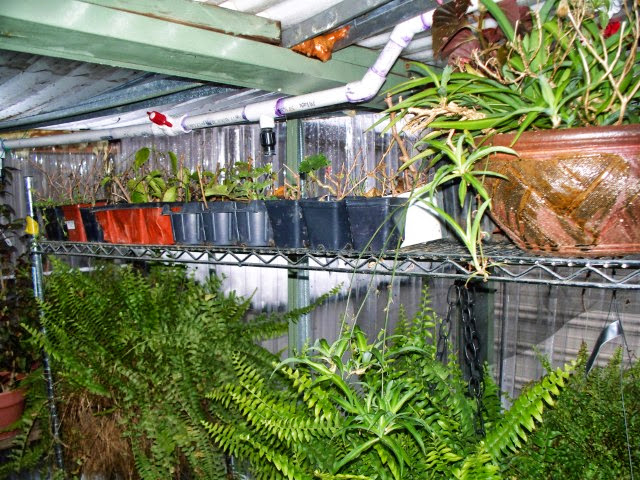
| 02 / UNDER GLASS Warm roots, dry leaves, room to breathe.As nights lengthen, greenhouse care becomes a balancing act. Plants need protection, but a closed house can hold moisture long after watering. Condensation and crowded leaves are reminders to check airflow, spacing, and watering habits.Start here: Water plants that need it early enough for foliage to dry before night. Remove fallen leaves, give pots breathing room, and keep gentle air movement through the crop. Vent when outside conditions allow without chilling tender plants.For the experienced grower: Record air temperature and relative humidity at bench height, plus rooting-medium temperature in a representative tray. A warm mat does not tell you how cold the leaves became overnight. Use the readings to adjust conditions for each crop rather than treating the whole greenhouse as one environment.This week’s experiment: Compare morning condensation at a crowded bench and a well-spaced bench. Record what changes after improving airflow. A circulation fan mixes air; ventilation exchanges it.Greenhouse environment reference → |
03 / SOIL SMARTS Let this week’s rain show you the trouble spots.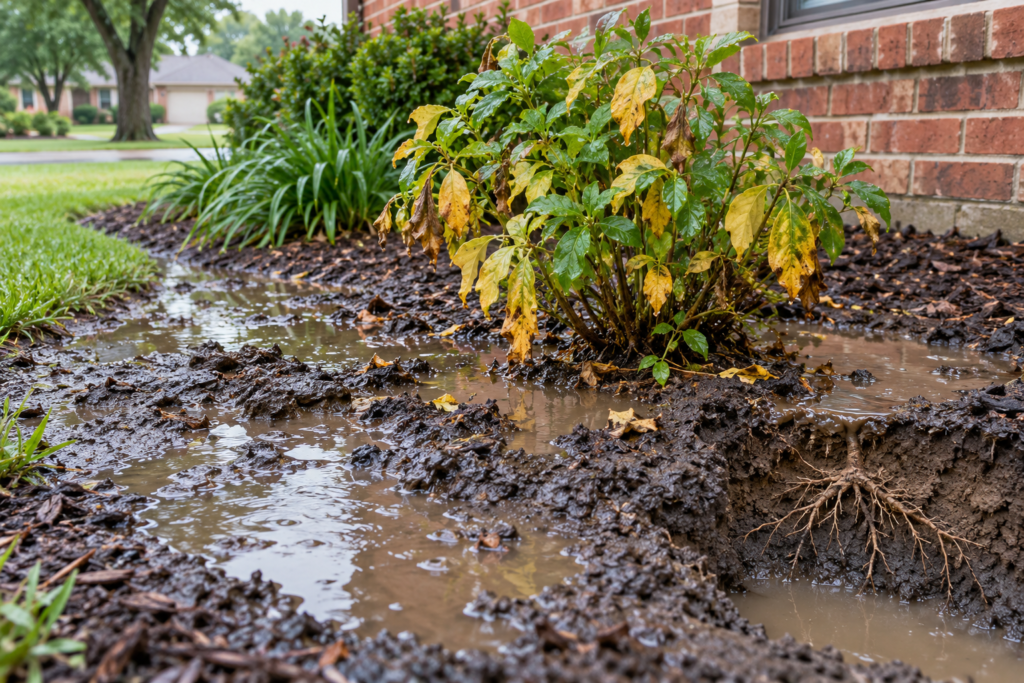 Before improving a bed, watch where water goes. Photograph puddles after rain and note whether roof runoff or a downspout is feeding them. A plant that struggles in one corner may be telling you more about drainage than fertilizer.Keep feet and tools out of sticky clay. Once it is workable, plan improvements across the bed and address incoming runoff. Filling one hole with fluffy potting mix does not fix a saturated landscape.Your ten-minute job: Mark one persistently wet area on a garden sketch. Use that observation when choosing plants or deciding where a raised bed would help.From the site: gardening in North Texas clay → |
04 / RIGHT PLANT, RIGHT PLACEDesign a garden corner you can move for winter. A container grouping can give tender foliage plants a summer home and an easier route to winter shelter. Before arranging pots, think about sunlight, drainage, watering needs, and the path each pot must travel when cold weather arrives.Use one taller plant as an anchor, a lower companion, and a stone or simple container to connect the scene. Leave enough space to reach the soil and inspect leaves. Group plants with similar needs; copper plant’s steady moisture needs make it a poor match in the same pot with a plant that needs a pronounced dry period.Try this: Photograph your arrangement from a chair or window. Shift one pot until the scene looks balanced, then check that the plants still receive the conditions they need.From the site: put every plant where it can be its best → |
05 / SEASONAL KNOW-HOWPlant for spring while the garden slows down. November is a useful time to plant suitable hardy trees and shrubs in North Texas. Cooler conditions reduce the strain of summer planting, but a new root ball still needs attention. Rain falling nearby does not always mean that root ball is moist.Choose a plant for its mature size, light requirements, and drainage needs. Plant at the correct depth with the root flare visible, water it in, and keep mulch away from the trunk. Check moisture in the original root ball as well as the surrounding soil.Seasonal color: Pansies, dianthus, and ornamental kale can refresh a bed or pot as summer plants fade. Wait until wet soil is workable before planting.From the site: when to plant trees and shrubs in Dallas → |
06 / THE KITCHEN GARDENA small pot of greens is a useful fall project. For a manageable kitchen garden, begin with one container of leafy greens. Lettuce and spinach are cool-season crops; choose varieties and planting dates from a North Texas guide, allowing for shorter days and slower growth as winter approaches.Use a pot with drainage holes and a good container mix. Follow the seed packet for sowing depth and spacing, label the planting date, and keep the seed zone moist while seedlings emerge. After rain, check before watering again. Thin crowded seedlings so the remaining plants have room.New gardener: A small lettuce transplant can make the first attempt easier. Place it where you will notice drying soil and pest damage.Keep useful records: Write down sowing or transplanting date, first harvest, and flavor. Those three notes can make next year’s choices much easier.Salad photo is illustrative. Cool-season crops tolerate cold differently; keep frost protection available.Texas A&M container vegetable guide → |
07 / OUT & ABOUTLast weekend for Autumn at the Arboretum.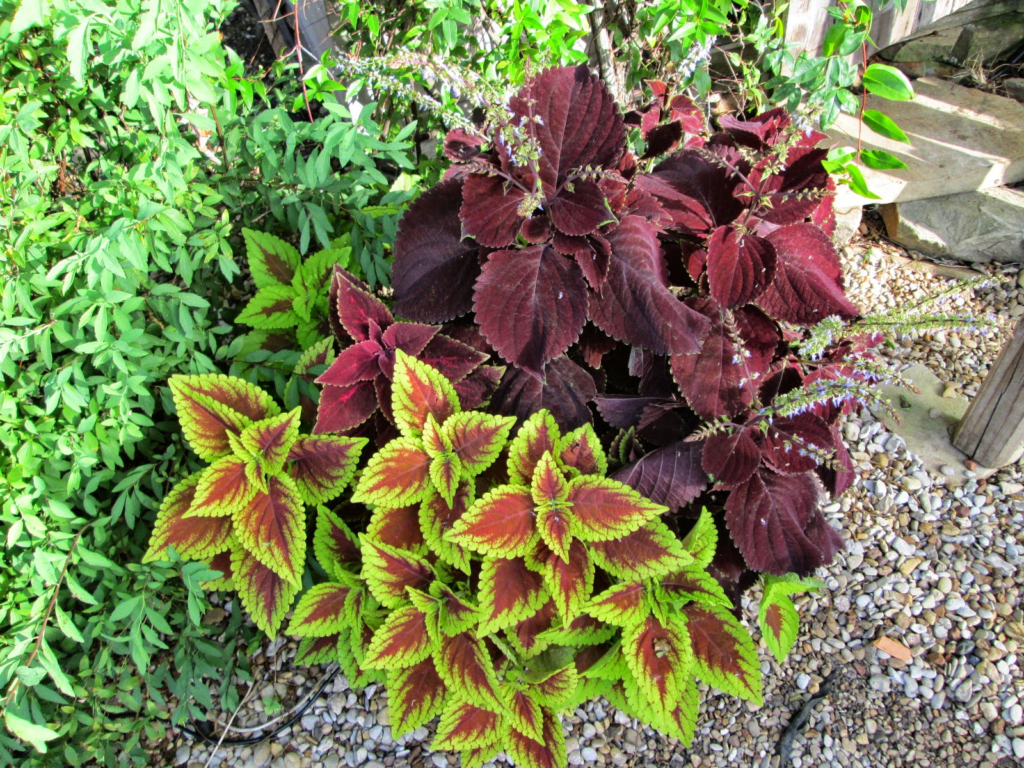 Autumn at the Arboretum: Harvest Hues Through Sunday, November 1, 2026 Daily garden hours: 9 a.m.–5 p.m. Dallas Arboretum · 8525 Garland Road, DallasExplore the seasonal pumpkin displays and look for ideas in foliage combinations, container groupings, and repeated colors. Bring a camera and collect one idea to adapt at home.Paid admission: Check current ticket prices, parking, availability, and weather updates directly with the Arboretum before leaving.Official event details and tickets →Event dates and regular hours checked October 30. Garden photo above is illustrative. |
| 08 / PLANT OF THE WEEKCopper plant: fall color without waiting for flowers. |
09 / ASK A GARLAND GARDENER“Does cooler weather mean I should stop watering?” Keep checking the soil. Cooler weather often slows water use, but pots, new plantings, and sheltered greenhouse plants may still dry out. Conversely, cloudy weather and repeated rain can leave roots wet much longer than expected.Check below the surface and, for containers, learn how a watered pot feels compared with a dry one. Water the plants that need it rather than automatically watering every bench or bed. Leaf droop alone is not enough to diagnose thirst.Send us a better question: Include a whole-plant photo, a close-up, the pot or bed conditions, daily sunlight, and how you decide when to water. Details help fellow gardeners give useful answers.Explore the local gardening questions → |
| What’s growing in your corner of Garland?Show us your fall color, your greenhouse setup, or the plant you are determined to save this winter.Share your garden →Forward this note to a gardening friend and invite them to visit GardeningGarland.com. |
| References & photo notesSeasonal tasks: Dallas Arboretum monthly guidance. Greenhouse: Washington State University and University of Alaska Extension. Vegetables: Texas A&M AgriLife. Plant reference: NC State Extension, linked above. Weather is a planning snapshot checked October 30, not a guarantee.Photos retained from the previous Gardening Garland template; salad image from Unsplash. Copperleaf images are AI-generated illustrations. Site-story links are retained from the prior issue; the stories above are fresh newsletter copy, not claims that new posts have been published. |
| GARDENING GARLAND Practical gardening. North Texas roots. GardeningGarland.com |