Which Plants Survive Both Dallas Heat and Hard Freezes?
North Texas gardeners need plants with an unusual combination of abilities. They must tolerate summer temperatures near or above 100°F, yet also survive occasional winter temperatures in the teens. A mild December can be followed by a fast-moving Arctic front, making resilience more important than appearance at the garden center.
Fortunately, many native and well-adapted plants handle both ends of the weather scale.
Reliable woody plants
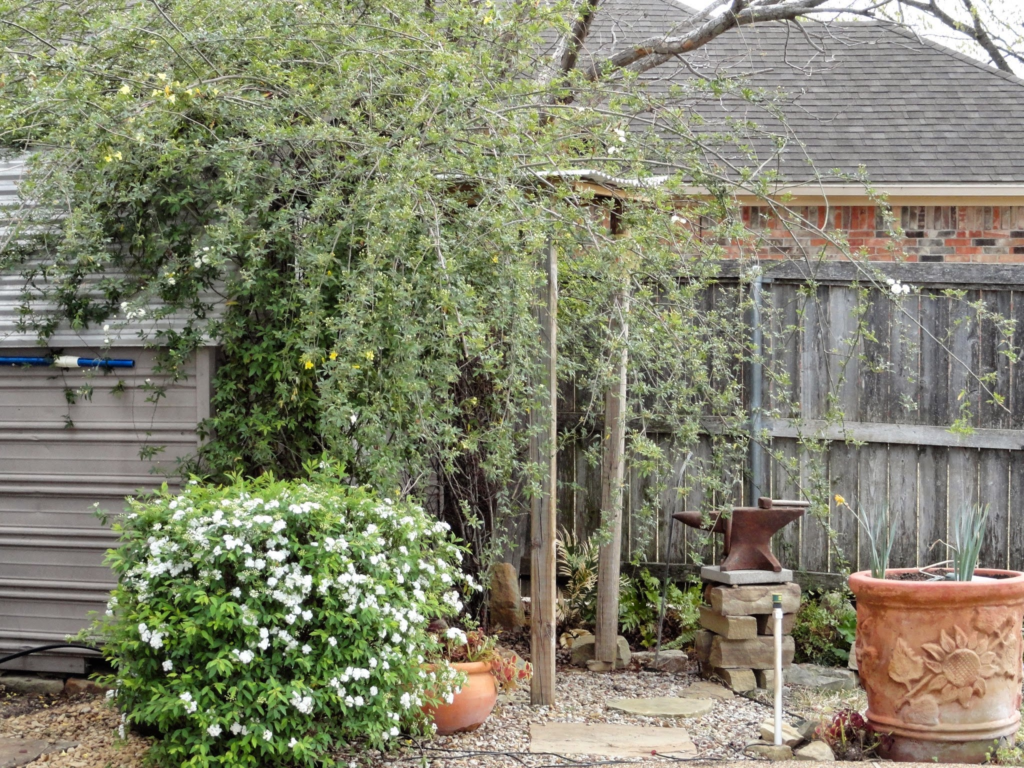
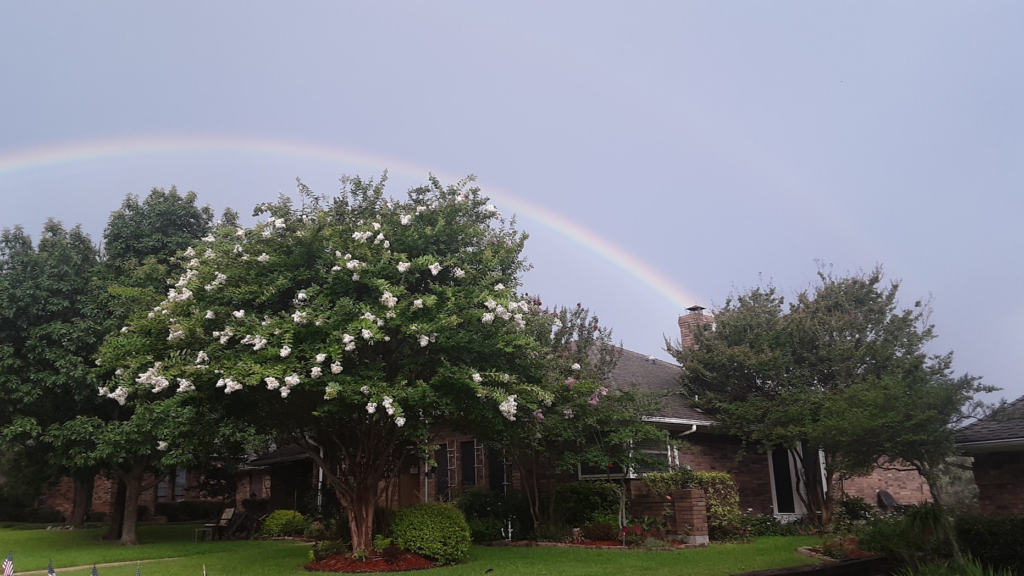
Yaupon holly is among the most dependable choices. It tolerates heat, pruning and a range of soils once established. Crape myrtle also performs well, producing summer color and surviving normal Dallas winters. Abelia is another durable shrub with a long flowering season and useful evergreen or semi-evergreen foliage.
Vitex handles heat and cold but needs room and occasional management because it can become a large shrub or small tree. Desert willow performs well in sunny, well-drained locations. Native oaks, including bur oak and chinquapin oak, are strong long-term shade-tree choices when given sufficient space.
Tough flowering perennials
Autumn sage, purple coneflower, black-eyed Susan, flame acanthus, Turk’s cap and many ornamental grasses return reliably when correctly sited. Their tops may become dormant or die back in winter, but healthy crowns and roots produce new growth in spring.
Lantana varies by cultivar. Some forms behave as dependable perennials, while tender varieties may be lost during a severe freeze. Planting in well-drained soil and leaving the dead top growth in place until late winter may offer the crown some protection.
Why proper planting still matters
Even hardy plants can be killed by poor drainage. Cold, wet roots are often more damaging than cold alone. Avoid creating a deep planting hole filled with soft amended soil inside dense clay, because it can act like a bathtub after heavy rain.
Apply mulch across the root zone, leaving the stem or trunk uncovered. Water new plants regularly during their first year because cold and heat tolerance improve after roots spread into the surrounding soil.
Do not confuse winter appearance with death. Deciduous plants and dormant perennials may look lifeless until spring. Before removing them, scratch a small portion of bark to look for green tissue or wait until warm weather reveals whether the crown survived.
The best Dallas landscape is layered with dependable structural plants and smaller areas of seasonal color. That approach preserves the garden through both heat waves and freezes without requiring everything to be replaced each year.
Leave a Reply