When Is the Best Time to Plant Flowers in North Texas?
North Texas offers several flower-planting seasons, but they are shorter and more sharply divided than many newcomers expect. The calendar date matters less than whether a plant prefers cool or warm conditions. Planting the right flower in the wrong season often leads to disappointing performance even when care is excellent.
Cool-season flowers
Pansies, violas, snapdragons, dianthus, ornamental kale and similar plants prefer cool weather. Install them in autumn after persistent summer heat has eased. Many provide color through winter and early spring, although severe freezes may temporarily damage flowers.
Cool-season annuals decline when late-spring temperatures rise. Trying to nurse pansies through a Dallas summer usually wastes water and leaves beds looking tired. Replace them with warm-season plants when their performance falls off.
Warm-season flowers
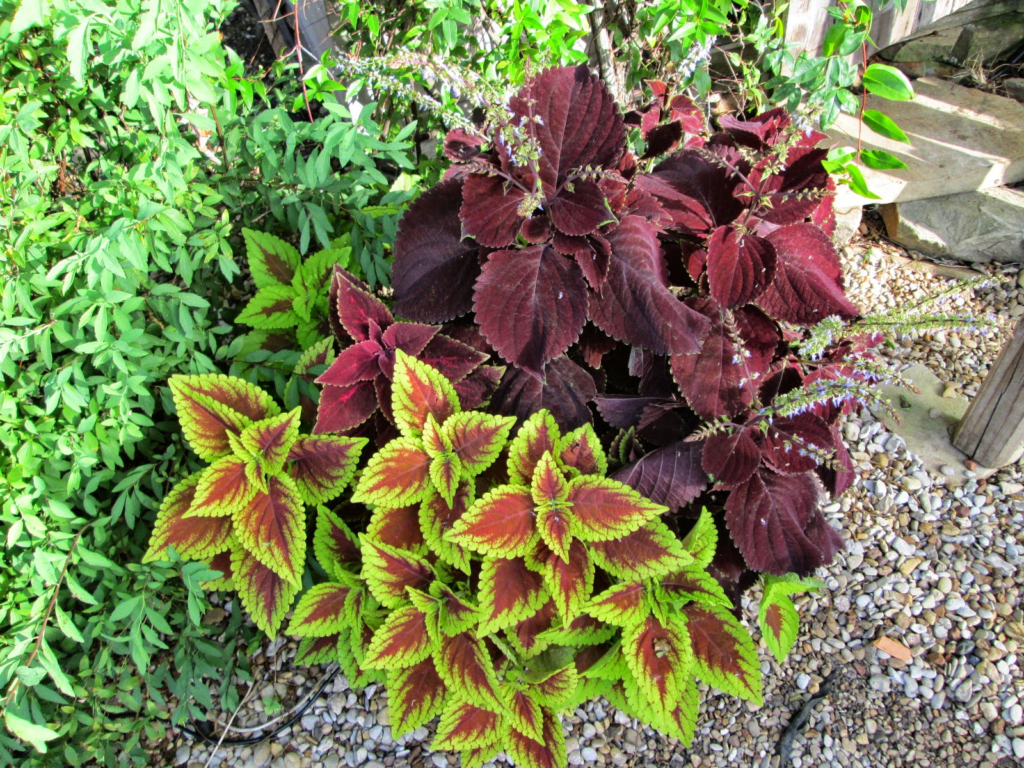
Plant vinca, pentas, angelonia, zinnia, gomphrena, coleus, caladium and other heat-season flowers after serious freeze danger has passed and the soil has warmed. Do not rush tender plants into cold, wet spring soil merely because stores begin selling them.
Some warm-season annuals establish best before extreme heat arrives. A plant installed in April or early May can develop a broader root system before July. The same plant placed into a sunny bed during a 100°F week may suffer severe transplant shock.
Perennials and flowering shrubs
Fall is generally the best planting season for hardy perennials and shrubs in North Texas. Warm soil encourages root growth while cooler air reduces water loss. Plants established during fall and spring are better prepared for their first summer.
Spring is the next-best period, particularly for plants that may be marginally winter-hardy. Summer planting is possible but requires careful watering and temporary shade. Avoid planting when the soil is saturated or when extreme heat is forecast.
Prepare the site before purchasing
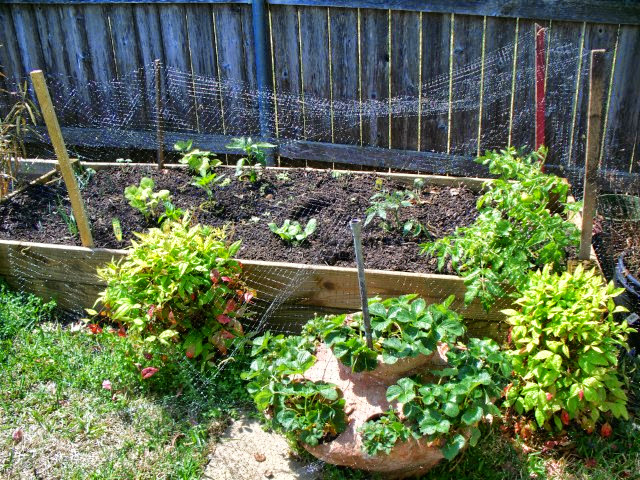
Determine the bed’s sunlight and drainage before choosing flowers. Improve a broad clay bed with compost rather than placing a rich pocket of amendment in one small hole. Mulch after planting, keeping mulch away from crowns.
Water new flowers thoroughly, then check the root ball rather than wetting only the surrounding surface. Nursery mixes sometimes dry faster than native clay, so the original root ball can become dry even while nearby soil feels moist.
The simplest North Texas flower strategy is seasonal rotation: cool-season color for autumn through spring, heat-tolerant annuals for summer and well-adapted perennials as the permanent foundation.
Leave a Reply