What Plants Grow Best in the Dallas–Fort Worth Climate?
Gardening around Dallas can feel like gardening in two different climates. Summer brings weeks of intense heat, hot nights and drying winds. Winter may be mild for long stretches and then deliver a sudden hard freeze. Add heavy alkaline clay and unpredictable rainfall, and it becomes clear that plant selection matters.
The best plants for North Texas are not merely plants that survive here. They should recover from weather extremes, look attractive for much of the year and fit the amount of sun, drainage and water available in your particular yard.
Dependable shrubs and small trees
Several woody plants have earned strong reputations in Dallas-area landscapes. Crape myrtle handles heat and provides summer flowers, although it needs full sun and should never be topped. Yaupon holly is a durable native evergreen available in dwarf and tree forms. Abelia tolerates heat and produces a long season of small flowers attractive to pollinators.
Vitex, desert willow and Texas mountain laurel are useful where drainage is good. Turk’s cap performs well in partial shade and produces red flowers that attract hummingbirds. Esperanza is spectacular in hot sun, although its top growth may freeze and return from the roots.
Perennials that tolerate North Texas
Good flowering perennials include autumn sage, purple coneflower, black-eyed Susan, flame acanthus, Gregg’s mistflower, daylilies and selected salvias. Lantana is one of the toughest summer bloomers, but winter survival depends on the variety, drainage and severity of the cold.
Ornamental grasses such as Gulf muhly, little bluestem and inland sea oats add movement and texture. Match them carefully to the site: Gulf muhly prefers sun, while inland sea oats can handle shade and may spread enthusiastically.
Match the plant to the location
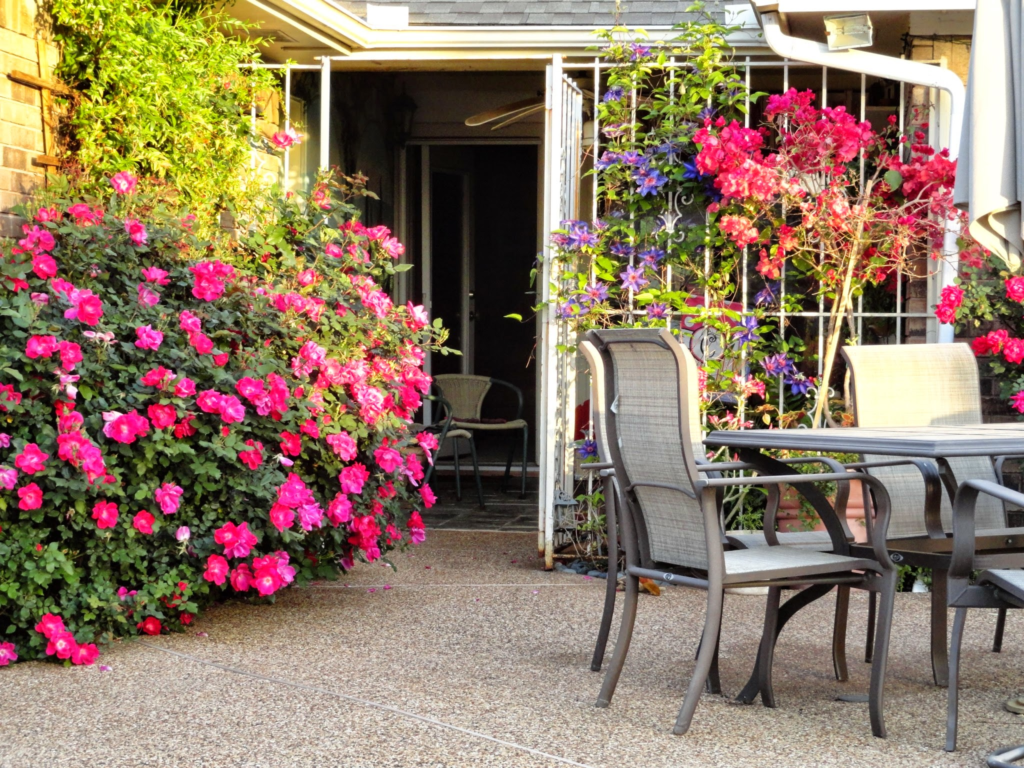
A tough plant can still fail in the wrong place. Afternoon sun reflected from a brick wall is much harsher than morning sun. A low clay area that remains wet after rain is unsuitable for drought-adapted plants needing sharp drainage. Irrigation zones also matter; a desert plant should not share a heavily watered bed with thirsty annuals.
Before buying, observe the planting area during different parts of the day. Count the hours of direct sun, check how long water remains after rain and consider the plant’s mature size. A shrub that looks small at the nursery may eventually block a window or crowd a walkway.
The safest approach is to build most of the landscape from proven native or well-adapted plants, then experiment with a smaller number of demanding varieties. In Dallas gardening, resilience is more valuable than a beautiful plant that requires constant rescue.
Leave a Reply