Plants That Actually Grow Well in North Texas
North Texas gardeners face hot summers, occasional drought, alkaline clay soil, sudden temperature changes, damaging storms, and winter freezes. The best plant is not simply one that tolerates heat—it must survive the whole year.
No plant is indestructible, and performance depends on drainage and sunlight. Nevertheless, the following plants are generally much more dependable than plants selected only because they looked attractive at a garden center.
Dependable flowering perennials
- Autumn sage
- ‘Hot Lips’ salvia
- Gregg’s mistflower
- Black-eyed Susan
- Purple coneflower
- Yarrow
- Coreopsis
- Gaura
- Daylily
- Red yucca
- Lantana
- Turk’s cap
- Flame acanthus
- Rock rose
- Four-nerve daisy
Some lantanas behave as annuals after a particularly cold winter, while established varieties in protected locations may return from the roots.
Plants for shade and part shade
- Turk’s cap
- Inland sea oats
- Cedar sedge
- Columbine
- Pigeonberry
- Cast-iron plant in protected locations
- Holly fern
- Dwarf yaupon holly
- Oakleaf hydrangea where drainage and soil preparation are suitable
“Shade” in North Texas still varies. Bright shade beneath a high tree canopy is very different from deep shade between buildings.
Reliable shrubs
- Dwarf yaupon holly
- Possumhaw holly
- Abelia
- Glossy abelia cultivars
- Texas sage
- Agarita
- Wax myrtle
- Dwarf palmetto
- Pomegranate
- Crape myrtle, where properly placed
- Shrub roses selected for disease resistance
Texas sage requires excellent drainage and plenty of sun. It should not be planted in a low, constantly wet clay area.
Small and medium trees
- Desert willow
- Mexican plum
- Possumhaw holly
- Yaupon holly
- Eve’s necklace
- Goldenball leadtree
- Eastern redbud
- Chinkapin oak
- Bur oak
- Cedar elm
- Shumard oak
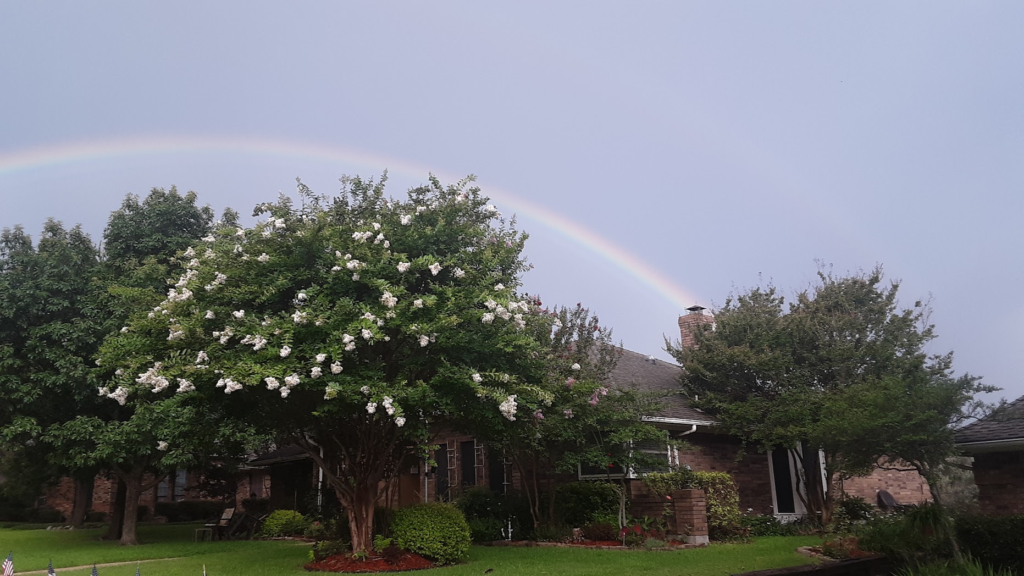
Tree selection must consider mature size. A tree that fits beside the house when purchased may eventually interfere with the roof, foundation, sidewalk, or power lines.
Warm-season color
For dependable summer color, consider:
- Angelonia
- Pentas
- Vinca
- Zinnia
- Gomphrena
- Purslane
- Moss rose
- Ornamental sweet potato
- Coleus for shaded locations
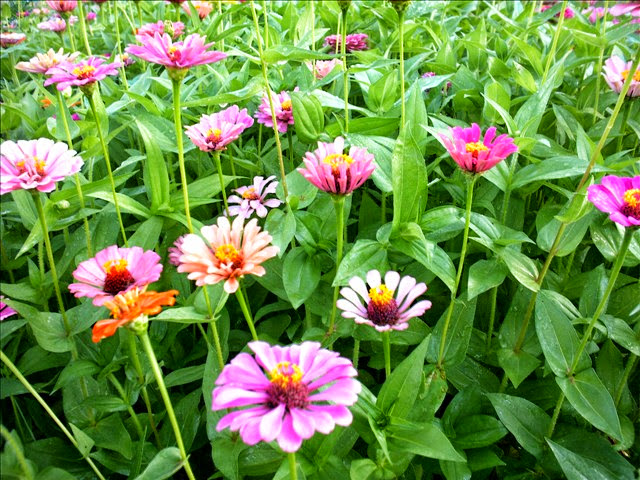
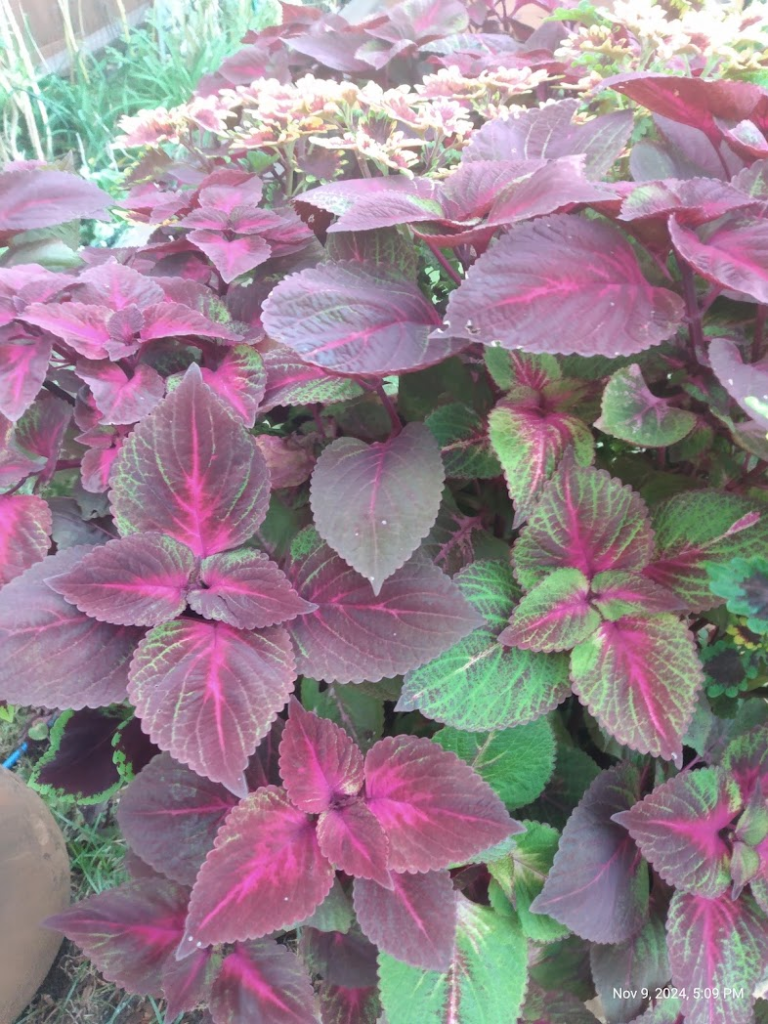
Avoid planting heat-loving annuals too early. North Texas can produce warm spring days followed by a late cold snap.
Plants that often disappoint newcomers
These plants are not impossible, but they usually require extra planning:
- Blueberries
- Azaleas
- Gardenias
- Japanese maples in exposed locations
- Bigleaf hydrangeas in afternoon sun
- Plants requiring consistently cool summers
- Moisture-loving plants placed beside hot pavement
- Desert plants planted in poorly drained clay
Use containers or specially prepared beds when you are determined to grow a plant that dislikes the native soil.
Choose the location before the plant
Before purchasing anything, answer four questions:
- How many hours of direct sun does the location receive?
- Is that morning or afternoon sun?
- Does water stand after heavy rain?
- How large will the plant become?
A well-matched plant needs less water, fertilizer, pruning, and pest treatment. That is the foundation of successful North Texas gardening.