How Does Dallas Summer Heat Affect Plant Selection?
Dallas summer heat changes almost every gardening decision. Daytime temperatures may remain in the upper 90s or above 100°F for extended periods, while warm nights give plants little time to recover. Sunlight reflected from brick, concrete and fences can make a planting area considerably hotter than the official air temperature.
The result is that a plant described nationally as suitable for “full sun” may still scorch in a west-facing Dallas bed. Local conditions matter more than the symbol printed on the nursery tag.
Heat tolerance is not the same as drought tolerance
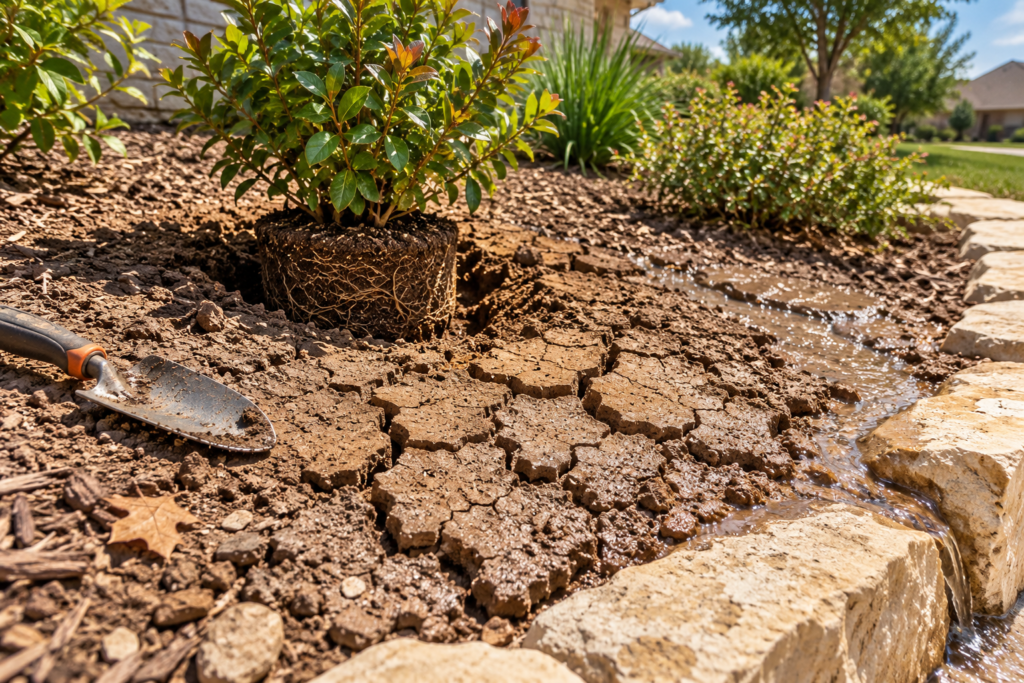
A plant may tolerate high air temperatures but still require steady moisture. Hibiscus, pentas and many flowering annuals can bloom through summer if their root zones do not dry completely. Conversely, a drought-tolerant plant may fail in heavy clay if frequent irrigation keeps its roots saturated.
Choose plants that match both heat and water conditions. Lantana, autumn sage, esperanza, periwinkle, angelonia, gomphrena and ornamental sweet potato are dependable heat performers. Turk’s cap and some salvias handle heat while also accepting partial shade. Bougainvillea loves heat and sun but needs excellent drainage.
The importance of afternoon exposure
Morning sun is gentler than late-afternoon sun. Plants receiving six hours of morning light may perform beautifully, while the same variety burns in four hours of western exposure beside masonry. Tender plants, recent transplants and black nursery containers are especially vulnerable.
Use small trees, shade cloth or taller plants to provide relief where necessary. This does not mean turning a sun-loving garden into deep shade. Even a reduction in late-afternoon exposure can lower leaf and root-zone stress.
Roots suffer too
Gardeners naturally watch leaves, but container roots may be the first part injured. Black plastic pots exposed to direct sun become much hotter than surrounding soil. Group containers, shade the pot itself, use light-colored outer pots or place sensitive containers where their roots are protected.
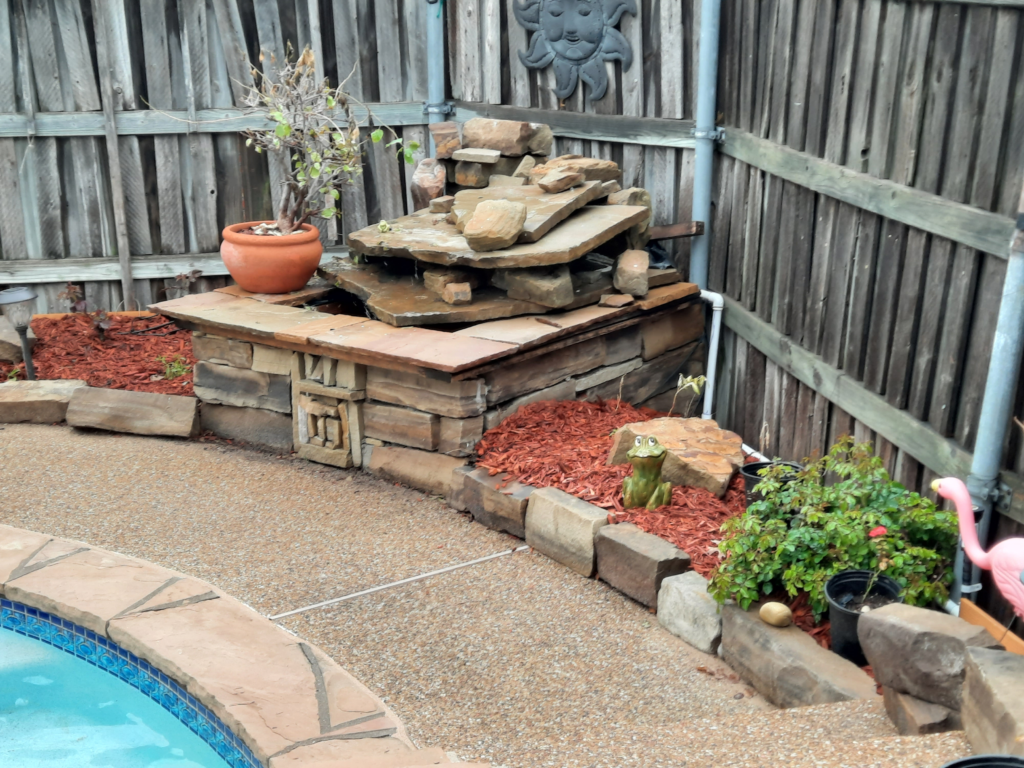
Mulch in ground beds to moderate soil temperature and conserve moisture. Apply roughly two to four inches, but keep it away from trunks and plant crowns. Water deeply enough to moisten the root zone rather than merely wetting the surface.
The most successful Dallas landscapes use heat as a design requirement rather than treating it as an occasional emergency. Select proven plants, provide appropriate afternoon protection and avoid forcing cool-climate species into hostile sites. A garden built for August will generally handle the gentler months with ease.
Leave a Reply