One question i get asked a bunch is about shade plants
Tagged: north texas shade, shade plants
- This topic has 0 replies, 1 voice, and was last updated 1 week, 2 days ago by lecarlson7.
-
AuthorPosts
-
November 2, 2026 at 7:22 pm #1645lecarlson7Keymaster
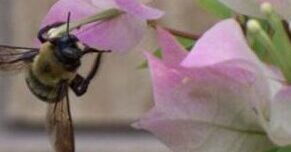
First off I must say to check what type of shade you have. By that I mean full shade which means no sky and no filtered shade all day . Morning sun and afternoon shade is pretty easy to grow in and many many plants prefer it. Dapple shade is a spotted shade that has short durations of sun spots and alternate areas of shade. Go out and watch an area several times a day and several times of the year as you may have a mixture of these types of sun. If Alternativelely if you have a shade plant the more sun it gets the more diminished it will be. The further away from ideal the further diminished it will be. That is usefull. I have several Bouganvillia and pentas that do well in some pretty good shade. They are smaller than if they were in full sun but to me in those areas I place them it is acceptable. Here is a list of shade plants:
1. Full shade
Little or no direct sun, such as the north side of a house or beneath a thick tree canopy.
Plant Main attraction Growing tip
Cast-iron plant Tough, upright evergreen foliage Excellent for established dry shade; slow growing
Holly fern Bold, glossy fronds Give it drainage and occasional deep watering
Autumn fern Copper-colored new fronds Best with consistent moisture
Southern wood fern Soft, spreading foliage Good for a natural woodland appearance
Cedar sedge Low, fine-textured foliage Useful beneath trees
Cherokee sedge Arching, grasslike clumps Better for moist shade
Horseherb Low groundcover with small yellow flowers Spreads; useful where lawn struggles
Coralberry Native shrub with pinkish berries Spreads into colonies
Dwarf palmetto Bold, fan-shaped leaves Allow room for its mature spreadThese selections appear in North Texas shade guidance from Texas A&M AgriLife and the Native Plant Society of Texas. ccmgatx.org
2. Dappled shade
Sunlight filters through tree branches, creating moving patches of light.
Plant Main attraction Growing tip
Turk’s cap Red flowers; hummingbird favorite One of the strongest local choices
American beautyberry Purple fall berries Makes a broad, informal shrub
Texas Gold columbine Yellow spring flowers Protect from hot afternoon sun
Cedar sage Red flowers on a compact perennial Needs good drainage
Inland sea oats Decorative dangling seed heads Can reseed freely
Oakleaf hydrangea White flowers and fall foliage Needs summer water and drainage
Redbud Small flowering tree Good beneath or beside taller trees
Rusty blackhaw viburnum Flowers, fruit, and fall color Large shrub or small treeThese are locally recommended shade plants; flowering generally improves with sufficient filtered light. ccmgatx.org
3. Morning sun and afternoon shade
Roughly three to five hours of morning sunlight, with protection during the hottest afternoon hours.
Plant Main attraction Growing tip
Turk’s cap Long season of flowers Excellent for this exposure
Glossy abelia Small flowers and arching branches Allow room for the variety’s mature size
Oakleaf hydrangea Large white flower clusters Avoid a hot, dry location
Texas Gold columbine Spring color Combine with later-season plants
Coral bells — Heuchera Colorful foliage Choose heat-tolerant varieties; avoid soggy soil
Garden phlox Summer flower clusters Give it airflow and adequate moisture
American beautyberry Berries and wildlife value Useful toward the back of a bed
Japanese maple Fine foliage and attractive form Sheltered location; protect from drying windThese are drawn from AgriLife’s North Texas shade recommendations. Morning exposure provides light while sheltering plants from intense afternoon heat. ccmgatx.org
My first choices for your yard: cast-iron plant for deep shade, Turk’s cap for dappled shade, and abelia for morning sun. Under mature trees, plant between major roots and avoid deep tilling or piling soil over them.
-
AuthorPosts
- You must be logged in to reply to this topic.